
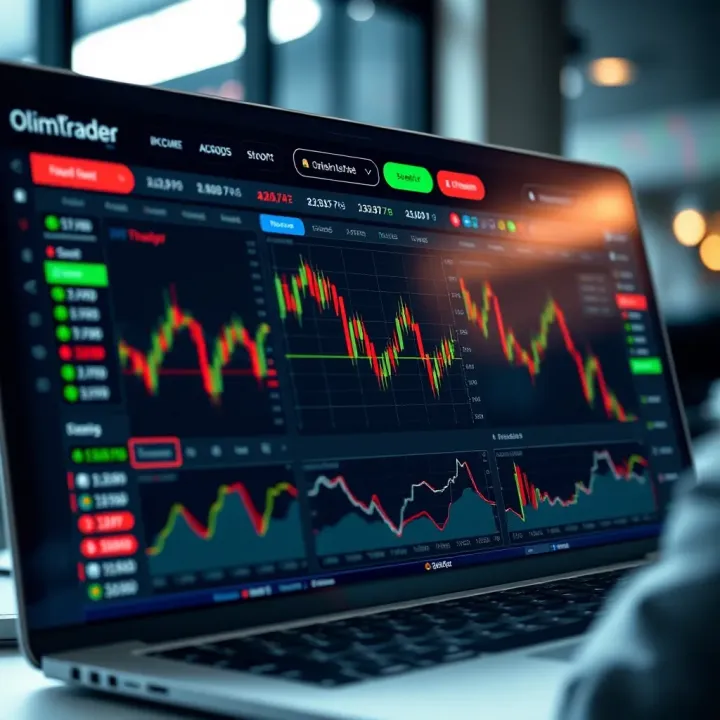
OlimpTrader: Análise Completa da Plataforma de Trading
📊 Conheça a OlimpTrader: análise completa da plataforma, ativos, contas, estratégias, segurança e riscos para decidir seu investimento com confiança.
Editado por
Camila Pereira
Trading bots have become a staple in derivative markets, where contracts are based on the value of underlying assets like stocks, commodities, or indexes. These automated programs execute trades at speeds and volumes that human traders can't match, opening up new opportunities for efficiency and strategy execution.
At their core, trading bots follow pre-set rules or algorithms to identify and act on market conditions. For example, a bot might be programmed to spot price discrepancies between futures contracts and spot prices, quickly placing orders to profit from those gaps before they vanish. In fast-moving derivatives markets, decisions often need to happen within milliseconds, which is where human traders simply can’t keep up.
Market Making Bots: These bots continuously place buy and sell orders to profit from the bid-ask spread. In derivatives, they help provide liquidity but need careful risk controls due to price swings.
Trend Following Bots: They track indicators like moving averages or momentum to enter or exit trades based on market direction. While simple, these can be effective in futures markets showing strong trends.
Arbitrage Bots: Designed to find price differences across exchanges or related products, these bots capitalize on inefficiencies before they close, often requiring rapid execution and low latency.
Successful bot trading depends on a mix of precise algorithms, solid backtesting, and real-time market data feeds. Even the best bots need ongoing tweaks as market conditions change.
While bots offer speed and can operate 24/7, they come with risks. Market volatility can cause rapid losses, and poorly tested strategies may fail under unusual conditions. Traders should also keep an eye on regulatory rules, as jurisdictions may have specific guidelines for automated trading in derivatives.
In practice, traders often combine bot strategies with manual oversight, ensuring they intervene when markets behave unexpectedly. Platforms like MetaTrader and Interactive Brokers offer APIs so traders can customize and deploy bots to fit their specific derivative trading needs.
The bottom line: understanding how bot trading works in derivatives is key for anyone looking to stay competitive. It’s not about completely handing over control but using technology to amplify trading precision and response times.
Bot trading in derivatives means using software programs to automatically execute trades on derivative markets. This approach streamlines trading, letting algorithms process massive data at speeds humans can't match. For traders and analysts, understanding bot trading is vital because it shapes market behavior and offers a way to exploit opportunities quickly and efficiently.
Automated bots handle everything from spotting trading signals to placing orders without any human intervention. For example, a bot might monitor options prices and instantly execute a strategy once specific volatility thresholds are hit. By eliminating delays and emotional biases, bots maintain consistency in executing complex trades around the clock.
Trading bots operate through pre-programmed algorithms that scan market data and make decisions based on set rules. Once the conditions align—say, a futures contract price crosses a moving average—the bot sends buy or sell orders directly to the exchange. This process happens in milliseconds, far quicker than any human could react.
Besides speed, automation ensures trades follow strategies precisely without second-guessing or hesitation, which is particularly useful during volatile market conditions where split-second decisions matter. Also, bots can work 24/7, unlike human traders who need breaks.
Derivative markets see various trading bots, each designed for specific strategies. Trend-following bots track price momentum to ride the current market direction. For instance, a bot might buy a futures contract if the trend signals bullishness.
Arbitrage bots look for price differences across exchanges or between related instruments, executing quick buy-sell combos to capture profits. Market-making bots continuously place buy and sell orders to provide liquidity and benefit from bid-ask spreads.
Each bot type suits different trading goals and risk levels, and many traders use a combination to diversify their approach.
Derivatives are financial contracts whose value comes from underlying assets like stocks, commodities, or interest rates. Common forms include:
Futures: Agreements to buy or sell assets at a specific price on a future date. Traders use them for hedging or speculation.
Options: Contracts granting the right, but not the obligation, to buy or sell an asset at a set price before expiration.
Swaps: Contracts exchanging cash flows or cash equivalents based on underlying metrics, such as interest rates.
These instruments allow traders to manage risk, speculate on price changes, or gain exposure without owning the actual asset.
Derivatives' complexity and leverage opportunities make them ideal for algorithmic strategies. Their prices can shift rapidly based on the underlying asset and market sentiment, creating frequent arbitrage and trend-following chances.
Plus, derivatives often have standardised contracts and liquid markets, enabling bots to calculate fair values and execute trades systematically. The speed and precision bots offer help traders capitalize on fleeting price inefficiencies that manual trading might miss.
Algorithmic bot trading in derivatives isn't just a convenience—it's a necessary tool for managing intricate, fast-moving markets effectively. Understanding how these bots operate helps traders position themselves better in today's automated environment.
Automated trading in derivative markets hinges on a few core strategies that power most bots. These strategies guide how bots read market signals, place trades, and manage risks. For traders and analysts, understanding these strategies is key to evaluating bot performance and adapting techniques to evolving market conditions.
Identifying market momentum is about spotting when a derivative’s price is moving strongly in a particular direction. Bots use indicators like moving averages, Relative Strength Index (RSI), or volume spikes to detect momentum shifts. For example, if the price of a futures contract keeps rising along with increasing trade volume, a momentum bot might interpret this as a strong buy signal and open a position to ride the trend.
In the fast-moving derivative markets, catching momentum early can mean the difference between locking in profits and missing out. These algorithms excel during sustained market moves, but they can struggle when prices become choppy or reverse unexpectedly.
Implementing trend-based triggers means programming bots to enter or exit trades once certain momentum conditions are met. Common setups include crossing moving averages—like the 20-day crossing above the 50-day average triggers a buy—or breaking of prior highs or lows. These rules ensure trades follow market direction without human hesitation.
Say a momentum bot monitors an options contract on oil futures and kicks in a buy order once its short-term average crosses above a longer-term one. This automatic trigger avoids delays and emotion-driven mistakes. Still, bots often include stop-loss triggers to limit damage when trends fail.
Taking advantage of price discrepancies is a classic strategy where bots spot slight differences in the same derivative’s price across multiple exchanges or between futures and underlying assets. For instance, if an S&P 500 futures contract trades at different prices on CME versus ICE, an arbitrage bot could buy low and sell high simultaneously, locking in risk-free profit.
This process requires lightning-fast execution because price gaps rarely last long. Such bots thrive in liquid markets, making many tiny profits that add up over time. For example, with Bitcoin futures, arbitrage bots exploit differences between Binance and CME pricing.
Providing liquidity through market making means bots continuously post buy and sell orders on both sides of the order book. By doing so, they help ensure there’s always someone ready to buy or sell. Market making bots typically earn the bid-ask spread, profiting from small price differences.
A market making bot for options on gold futures might constantly update bids and asks, adjusting prices based on volatility and order flow. This activity helps stabilize markets but comes with risks if prices swing sharply against the bot’s inventory.
Concept of price returning to average relies on the idea that extreme price moves tend to revert back toward historical averages. Bots using this strategy look for overbought or oversold conditions in derivatives prices.
For example, if a commodity future spikes unusually high without fundamental news, a mean reversion bot might sell on the assumption the price will fall back. This strategy does better in range-bound markets, where prices fluctuate within predictable bands.
Using historical data for signal generation means bots analyze past price patterns to predict near-term moves. Statistical models such as regression, cointegration, or machine learning can create signals based on relationships between different assets or time periods.
A volatility model might identify when implied volatility in an options contract is unusually high compared to historical norms, triggering a trade expecting volatility to drop. These techniques help bots generate nuanced insights beyond simple price moves, but they require careful tuning to avoid false signals.
Bottom line, each core strategy offers unique angles to trade derivatives using bots. Successful applications often blend strategies, back them with solid data analysis, and maintain constant monitoring to adapt to shifting markets.
Automated bots have drastically changed how derivative trading is done by speeding up trades and removing some common human errors. Still, understanding both the benefits and risks of using bots is key before diving in. This section highlights practical advantages like handling fast markets, eliminating emotional bias, and nonstop operation alongside challenges such as technical breakdowns, market volatility, and the limits of prediction models.
Derivative markets can change at dizzying speeds where every millisecond counts. Bots excel by reacting instantly to price changes, executing trades much faster than any human could. Imagine a sudden spike in oil futures during geopolitical unrest—automated bots can quickly buy or sell contracts to capitalize on these shifts or cut losses, which helps avoid slippage.
Thanks to this speed, bots can operate effectively in volatile conditions, protecting against rapid swings that might otherwise lead to costly manual mistakes. This capability lets traders stay competitive even against high-frequency trading firms.
Trading decisions often suffer from emotions like fear or greed, which can cloud judgment and lead traders to hold losing positions too long or panic sell. Bots don’t have emotions—they stick strictly to pre-set rules and data signals. This means they can maintain discipline when markets get hectic.
For example, during a flash crash, while many traders may hesitate or freeze, a bot can continue to execute predetermined exit or entry points calmly. This discipline can prevent emotional decision-making that often harms long-term results.
Unlike humans, bots can operate all day, every day, without fatigue. Derivative markets, especially crypto derivatives or international futures, run almost continuously across time zones.
Bots ensure you don't miss opportunities when you’re asleep or away from screens. This constant presence means strategies like arbitrage or trend following can keep working around the clock to capture every profit chance.
Bots depend heavily on technology, and with that comes risk. Network outages, software bugs, or connection losses to exchange servers can cause trades to fail or misfire. Such incidents might lead to unexpected losses.
An example: if a bot gets stuck placing orders due to API downtime, it might miss critical exit points, amplifying losses instead of limiting them. Regular monitoring and robust systems are necessary to reduce these hazards.
Even the smartest bots can't escape sudden market crashes or extreme volatility. In events like the 2010 Flash Crash, many bots triggered mass sell-offs, worsening the downward spiral.
This shows bots can sometimes amplify risks, especially when many use similar strategies. Traders need to be aware and design bots with safeguards such as pause triggers for unusual conditions.
Bots rely on algorithms that mimic historical market behavior. However, modeling too closely to past data—overfitting—means the bot performs well in backtests but poorly in real markets.
Markets evolve with new events and participant behaviors. A strategy that worked last year may fail suddenly today. Traders must regularly revisit and update bots to avoid pitfalls related to outdated or overly tailored models.
Using trading bots isn’t a set-it-and-forget-it deal; it requires ongoing care to balance the benefits of speed and discipline with the risks of technology and market tumult.
Bottom line, bots can be powerful tools for derivative trading if used wisely, with full knowledge of what they can and cannot handle.
Getting started with bot trading in derivatives can be tricky, but it pays off with speed, precision, and round-the-clock activity. Taking the right steps at the outset ensures you avoid costly mistakes and build a solid foundation for your trading strategies. This section breaks down how to select platforms, develop your bot, and keep it running smoothly.
Popular platforms supporting derivatives bots include Binance, Coinbase Pro, and Interactive Brokers. These platforms offer APIs that allow traders to design automated strategies tailored to futures, options, and swaps. Binance, for example, provides access to both spot and derivatives markets with extensive API documentation, making it a favorite among algorithmic traders. Meanwhile, Interactive Brokers serves more advanced traders with institutional-grade tools and broad market coverage.
Selecting the right programming language and API matters because it affects development speed, bot performance, and ease of maintenance. Python remains the most popular choice due to libraries like Pandas and NumPy, which simplify data handling and backtesting. JavaScript and C++ come into play when low latency is critical, as with high-frequency strategies. Many platforms provide REST and WebSocket APIs; using WebSocket can be crucial for receiving real-time market data.
Backtesting your strategy with historical data reveals whether your approach has a fighting chance. This step involves running your bot's logic on past prices to measure performance before risking actual money. For example, a momentum-based strategy that worked well during the 2020 volatile markets might fail under calmer conditions. Backtesting highlights such weaknesses.
Simulated trading, or paper trading, takes the next step by running your bot live but with fake money. This helps you spot issues like API quirks or unexpected order rejections without financial risk. Many brokers offer demo accounts specially for this purpose. Spotting and fixing bugs here prevents losses when you move on to real trades.
Tracking your bot’s behavior is essential to catch anomalies or deterioration in performance. Setting up dashboards that show trade outcomes, latency, and error rates keeps you in control. If a bot suddenly places orders at unusual times or stops responding, immediate intervention prevents further losses.
Markets don’t stay static, so making adjustments based on changing conditions is part of the game. During earnings season, liquidity patterns may shift, requiring tweaks in your bot’s parameters. For instance, widening stop-loss ranges or altering position sizes can help navigate increased volatility. Regularly reviewing your bot’s metrics and market environment keeps your system relevant and effective.
Starting bot trading is less about fancy algorithms and more about solid setup, thorough testing, and ongoing vigilance. Picking the right platform, writing reliable code, and actively managing your bot can give you an edge in derivatives trading.
Automated trading bots work faster than any human can, but their speed doesn’t come without legal and ethical headaches. Staying on the right side of regulations protects you from penalties and helps keep the markets reliable and fair. Ignoring regulatory rules or engaging in shady practices can land traders in hot water, sometimes costing millions or worse. For investors and traders, understanding these considerations isn't just about compliance; it’s about ensuring the trading environment remains transparent and trustworthy.
US regulatory requirements and agencies: In the U.S., automated derivative trading falls under strict oversight. The Commodity Futures Trading Commission (CFTC) and the Securities and Exchange Commission (SEC) are the main watchdogs. Both agencies require bots to comply with rules on market conduct and reporting. For example, the CFTC monitors for manipulative practices like spoofing—where a trader submits fake orders to trick other participants. Platforms offering derivatives often have to register and show they prevent unfair practices. Practically, this means bots must be programmed not to trigger false market signals, or operators could face fines and trading bans.
Traders using bots must keep detailed logs and report large trades to meet Know Your Customer (KYC) and Anti-Money Laundering (AML) requirements enforced by these agencies. Missing these steps can lead to license suspensions and audits. So, integrating compliant controls into your trading bot is non-negotiable in a U.S. context.
Global regulations affecting bots: Outside the U.S., regulatory frameworks vary, but many major markets like the EU, Singapore, and Japan maintain strict oversight of automated trading in derivatives. The European Securities and Markets Authority (ESMA), for instance, requires firms to establish clear policies around algorithmic trading behaviors. They focus on ensuring bots don’t accidentally or intentionally disrupt market stability.
In Asia, countries like Singapore require high-frequency traders to obtain explicit approvals and maintain robust risk management systems. Given this patchwork of regulations, traders operating internationally must adapt bots to meet different legal standards, including specific constraints on order types and speed limits.
Preventing market manipulation: Market manipulation—such as spoofing, layering, or quote stuffing—remains a top concern. Bots, if programmed irresponsibly, can amplify these behaviors, creating fake liquidity or misleading price action. To combat this, exchanges and regulators require bots to include safeguards that detect and halt manipulative sequences.
An example: a trader who programs a bot to flood the order book with fake orders to push prices and then quickly cancels them can cause a flash crash and hurt market confidence. Monitoring software and exchange-enforced penalties aim to stop that. As a trader, auditing your algorithm for manipulative risk before live deployment isn’t just good practice, it’s a must.
Transparency and reporting standards: Transparency laws require traders and platforms to disclose bot activity to regulators. This includes submitting detailed logs of all executed trades and the bot’s decision-making rules. Reporting helps regulators identify suspicious trends early and verify that trading complies with fair market standards.
Additionally, transparency fosters trust among participants. For instance, firms often publish summaries of their bot strategies and risk controls to reassure clients and regulators they’re not gaming the system. From a practical standpoint, maintaining comprehensive records and clear documentation of your bot’s trading logic pays off when regulators request audits or when disputes arise.
Keeping bot trading legal and ethical isn’t only about avoiding fines—it’s about contributing to a market everyone can trust and profit from safely.
📊 Conheça a OlimpTrader: análise completa da plataforma, ativos, contas, estratégias, segurança e riscos para decidir seu investimento com confiança.
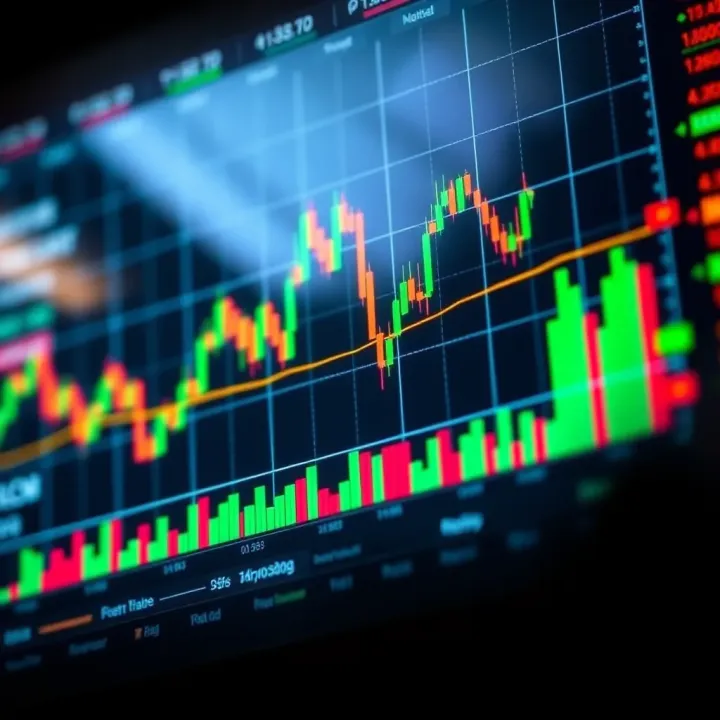
📊 Descubra as melhores configurações do MACD para day trading. Aprenda a ajustar o indicador, evitar sinais falsos e melhorar suas operações intradiárias!
🔍 Explore a plataforma Quoex: conheça vantagens, desvantagens, tipos de ativos e métodos de depósito e retirada para operar seguro e informado!
📊 Descubra tudo sobre plataformas de trading online: recursos, tipos, segurança, custos e dicas essenciais para investir com confiança na internet! 🚀
Baseado em 6 avaliações