
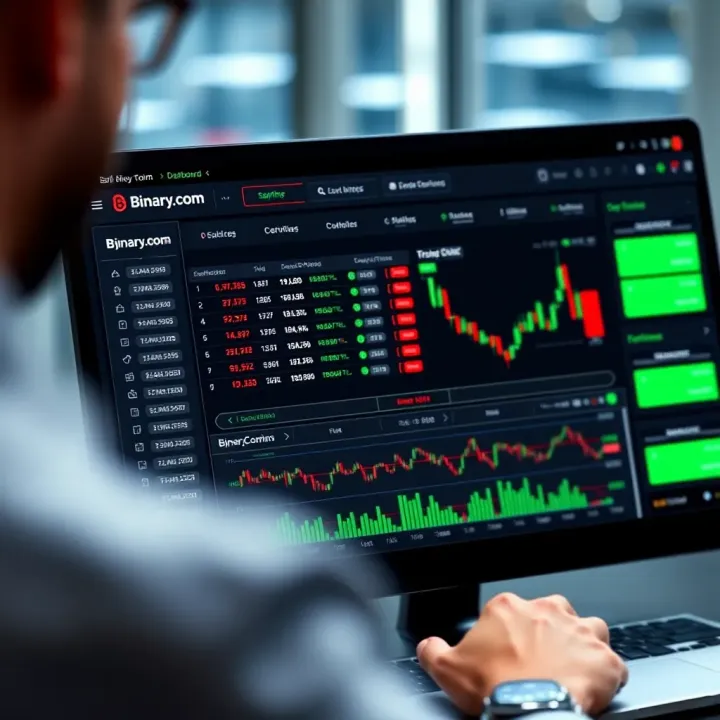
Análise da Plataforma Binary.com: Guia Completo para Investidores
🧐 Análise detalhada da Binary.com: descubra tipos de contratos, segurança e dicas essenciais para investir com confiança e evitar riscos.
Editado por
Rafael Gonçalves
Binary options brokers act as intermediaries, connecting traders with the financial markets through a simple yes-or-no proposition: will an asset's price be above or below a certain level at a set time? This straightforward setup has attracted many traders looking for fast-paced ways to profit from market movements. However, understanding the role and risks associated with these brokers is essential.

Unlike traditional trading platforms that rely on buying or selling assets, binary options brokers offer contracts with fixed payouts based on the outcome of a prediction. When you place a trade, you select an asset (like a stock, commodity, or currency) and predict whether its price will rise or fall within a specific timeframe—typically ranging from 60 seconds to a few hours.
If your prediction is correct, you receive a fixed return, usually between 60% and 90%. If not, you lose the amount invested. This "all-or-nothing" setup makes the trading process transparent and straightforward.
Watch out for brokers promoting unrealistic returns or pressuring you to invest more. These are often signs of unregulated or fraudulent platforms.
Regulation: Check if the broker is licensed by reputable bodies like the Securities and Exchange Commission (SEC) or the Commodity Futures Trading Commission (CFTC). Regulated brokers must adhere to strict standards protecting your funds and personal information.
Reputation and Reviews: Look for brokers with positive user feedback and a history of fair trading practices. Forums and trusted financial websites can provide insights based on real user experience.
Trading Platform and Tools: A user-friendly platform with reliable charting tools and fast execution is important, especially for short-duration options.
Asset Variety: The best brokers offer a range of assets—stocks, indices, commodities, and forex—to diversify your trades.
Payout Structure: Understand the broker’s payout rates and any fees or withdrawal restrictions.
Binary options are inherently risky; their simplicity can lure traders into underestimating potential losses. Unlike traditional investments, you can lose 100% of your stake on each trade. Some brokers have been connected to scams, so vigilance and due diligence are crucial.
Start with a demo account to practice without risking real money.
Never trade more than you can afford to lose.
Keep learning about market trends and trading strategies.
Verify broker credentials through official regulatory websites.
Understanding these basics gives traders a solid foundation to approach binary options trading with eyes wide open. Knowing the broker’s role and risks can help you make safer, more informed decisions.
Binary options brokers play a central role in simplifying access to binary options trading, a type of financial betting where traders predict whether an asset's price will rise or fall within a set timeframe. These brokers act as intermediaries between you and the global markets, giving you a platform to execute your trades. Their importance boils down to accessibility and convenience, especially for those who want to dip their toes into options trading without dealing directly with complex market instruments.
The primary purpose of binary options brokers is to provide a user-friendly platform where traders can buy and sell binary options. Instead of trading stocks or commodities directly, you interact with the broker’s system, which is connected to underlying assets like currency pairs, stocks, commodities, or indices. This setup makes trading more straightforward and often faster, but it also means that the broker essentially manages the trade execution and payout.
Beyond just access, these brokers offer tools, charts, and educational resources that help traders understand market trends. For example, platforms like Nadex or IQ Option not only facilitate the trades but also provide tutorials and real-time data for smarter decision-making. Understanding a broker’s role helps you grasp both the benefits and the dependencies involved in this style of trading.
Brokers link traders to the underlying markets either by taking the opposite side of your trade or routing it through external liquidity providers. This connection is handy because you don’t have to manage or own the asset itself. Instead, the broker abstracts these details and lets you focus solely on predicting price movements.
Take a commodity like crude oil: instead of buying barrels or futures contracts, you place a binary option predicting whether the price will be above or below a certain level at a given time. The broker processes this bet and handles the financial settlement directly, making the market accessible with just a few clicks.
Binary options typically come in several formats: classic high/low options, one-touch or no-touch options, and range options. High/low options ask you to predict whether the price will finish above or below the current level. Meanwhile, one-touch options require the price to hit a preset target at least once during the contract, and range options expect the price to stay within or break out of a specific price range.
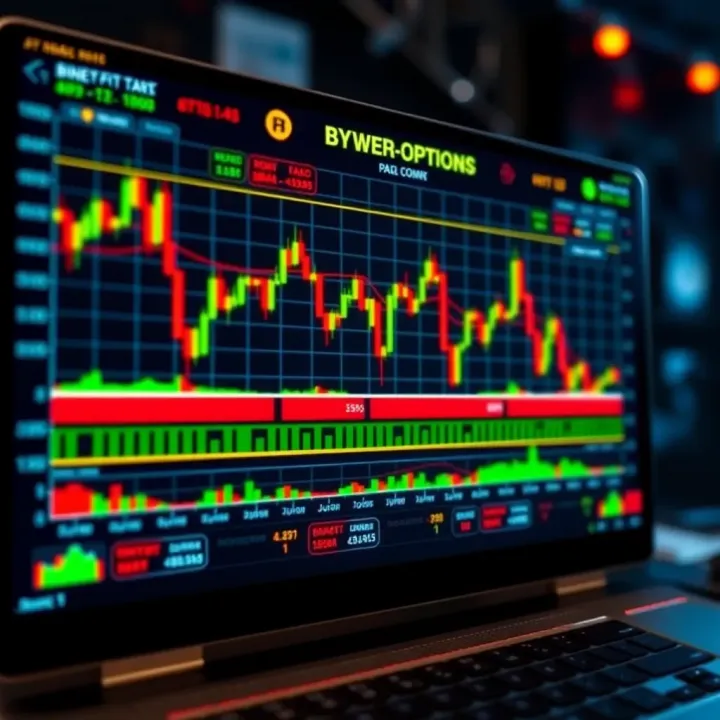
Trading binary options usually involves three straightforward steps: pick an asset, choose the direction (up or down), and select the expiration time. Once the contract ends, the outcome is simple: you either get a fixed payout or lose your investment on that trade.
Payouts vary by broker but often range between 60% and 90% of your stake for winning trades. For instance, a $100 bet might return $180 ($100 stake plus $80 profit) if correct, or nothing if the prediction fails. Knowing this fixed-risk, fixed-reward structure helps traders manage their strategies and expectations without surprises.
The bottom line is that understanding the role and mechanics of binary options brokers gives you a clearer picture of how this trading works and what to expect when you decide to trade.
Choosing the right binary options broker boils down to understanding a handful of key features that directly impact your trading experience. These features aren’t just random perks; they influence how easily you can trade, how safely you can manage your funds, and ultimately, your chances of success. Knowing what to look for helps you avoid headaches down the road, especially in a market where scams and poor platforms pop up now and then.
A smooth, intuitive user interface makes a world of difference, especially if you're juggling multiple trades or new to binary options. For example, brokers like Nadex offer a clean layout that displays essential info without clutter, making it easier to spot opportunities quickly. Accessibility also means the platform works well on mobile devices and doesn’t hog system resources, allowing you to trade on the go without annoying lags or crashes.
Effective brokers arm you with more than just charts; they provide tools like real-time market data, volatility indicators, and economic calendars that can inform your decisions. Plus, solid educational resources help sharpen your skills — think video tutorials, webinars, and comprehensive guides. IQ Option, for instance, combines live trading data with an abundance of learning material, helping traders align strategies with market realities.
The ease of moving your money in and out of your trading account is crucial. Top brokers accept a variety of payment methods including credit/debit cards, bank wire, and popular e-wallets like PayPal or Skrill. This flexibility caters to different traders’ preferences and speeds up transactions. For example, Binary.com allows quick deposits through multiple digital wallets, which helps you fund trades without waiting days.
Brokers typically offer various account types with differing minimum deposits and features. A lower minimum deposit, such as $10 or $20 on platforms like Binomo, makes entry less daunting for casual traders. Meanwhile, VIP or premium accounts come with perks like faster withdrawals or personalized support, worth considering if you plan to trade more seriously. Understanding these options ensures you pick an account that fits your budget and trading goals without surprises.
The bottom line is to focus on brokers that combine user-friendly platforms with practical tools and straightforward account terms — these are the traits that help you trade confidently and safely.
Regulation plays a vital role in the binary options trading landscape. It serves as a safety net to protect traders from dishonest practices and ensures brokers operate within clear legal boundaries. Without proper oversight, traders risk losing their investments to scams or unreliable firms. Knowing which bodies oversee brokers and why this oversight matters can help traders make informed choices.
Several regulatory authorities monitor binary options brokers to keep the market fair and transparent. Some of the most recognized include the U.S. Commodity Futures Trading Commission (CFTC), the Securities and Exchange Commission (SEC), and in Europe, the Cyprus Securities and Exchange Commission (CySEC). These agencies enforce licensing requirements, monitor trading practices, and handle complaints. When a broker holds a license from such regulators, it generally means they have met minimum standards in terms of financial stability and ethical behavior.
Regulation protects traders primarily by ensuring brokers segregate client funds, so your money isn’t mixed with the company’s operating budget. It also demands clear disclosure about fees, risks, and the binary options products themselves. For example, CySEC-regulated brokers must maintain a compensation fund to cover traders should the broker fail.
The risk with unregulated brokers is substantial. They often operate without transparency, making it easier to manipulate software and payout rates. Some may delay or outright refuse withdrawals or disappear with traders’ funds. Scams can take various forms, including fake trading platforms and misleading advertising promising unrealistic returns.
Identifying an untrustworthy broker often comes down to a few telltale signs. First, check if the broker lists a valid regulatory license—be wary if this info is absent or unverifiable. Also, watch for excessive pressure tactics, like aggressive cold-calling or pushy sales reps promising “guaranteed profits.” Poor reviews highlighting withdrawal problems or account freezes should raise immediate red flags.
Always verify the broker’s regulatory status through official regulator websites before committing funds.
In summary, sticking to regulated brokers reduces the likelihood of running into fraud while providing you with a formal channel to address grievances. The trading world has its share of risks, but regulatory oversight is one solid layer of protection that traders should never ignore.
Understanding the risks involved with binary options trading is essential for anyone looking to engage in this market. While the potential for quick profits might be appealing, the reality is that these trades come with significant risks that can lead to rapid losses if not managed properly. This section breaks down some common risks traders face and offers practical ways to handle them effectively.
Volatility and loss potential: Binary options are highly sensitive to market fluctuations. Price swings in the underlying assets can be sudden and steep, making it easy to lose your bet even if the overall trend seems favorable. For example, a trader might predict that crude oil prices will rise within an hour, but unexpected news or economic data can cause prices to drop sharply, wiping out the investment. Recognizing that volatility can work against you is key; you should never risk more money than you can afford to lose on any single trade.
Broker reliability and execution issues: Another crucial risk involves the broker's reliability. Not all brokers are created equal—some may have slow or faulty trade execution, causing discrepancies between the expected and actual prices when your position closes. This can lead to unfair losses or payouts lower than promised. For instance, a delayed trade execution during a rapid market movement can turn a winning trade into a losing one. To reduce this risk, choose brokers with solid reputations and proven execution speeds, ideally those regulated by recognized authorities.
Setting limits: It’s smart to set clear boundaries for how much capital you allocate to binary options trading. This means deciding in advance the maximum amount you’ll risk per day or per trade. By sticking to these limits, you avoid the danger of chasing losses or overexposing your portfolio. For instance, a trader might decide never to risk more than 2% of their total trading capital on a single binary options trade. This discipline helps protect against large, unexpected setbacks.
Diversifying trading approaches: Placing all your bets on a single asset or strategy can magnify risk. A better approach is to diversify across different assets, expiration times, and even types of binary options. Similar to how investors don't put all their money into a single stock, spreading your positions can smooth out returns and reduce exposure to any single source of market risk. For example, you might split your trades between forex pairs and commodity options, balancing out the volatility in each.
Using demo accounts: Demo accounts let you practice binary options trading without risking real money. This is particularly helpful to test strategies, understand platform mechanics, and get a feel for market behavior. Imagine you develop a new strategy predicting tech stock movements; using a demo means you can see how it performs over weeks before risking actual cash. This step builds confidence and helps refine your approach, lowering the chance of costly mistakes when you trade live.
The bottom line is that managing risks in binary options trading isn't about avoiding losses altogether — it's about controlling them prudently to maintain your capacity to trade over time.
By keeping these risks and strategies in mind, traders can navigate the binary options space more safely and with greater confidence.
Choosing the right binary options broker is key to protecting your investment and making informed trades. With so many brokers out there, not all of them operate with the same level of transparency, reliability, or fairness. Knowing how to evaluate brokers prevents you from falling into traps like hidden fees, poor trade executions, or worse, outright scams.
You can learn a lot about a broker's reputation by checking out industry-specific websites, financial forums like Elite Trader, and regulatory bodies such as the SEC or CFTC. These sources often provide detailed reviews and user feedback. Look for brokers that consistently receive positive comments on execution speed, customer service, and fairness of payouts. For example, a broker like Nadex has a strong profile backed by transparent regulations and solid user reviews.
On the flip side, watch out for red flags like an absence of third-party reviews, complaints about delayed withdrawals, or brokers promising guaranteed returns—that’s a big warning sign in the trading world. Also, be cautious if you see a broker only maintaining accounts on shady review sites or with unrealistically glowing testimonials that don’t match industry reputation. The bottom line: do your homework on reputation before committing funds.
One practical way to test a broker without risking real money is through demo accounts. These mimic real trading conditions and help you understand the broker’s platform and trade execution. Demo accounts are especially valuable if you’re new, allowing you to get comfortable with how binary options work while exploring different strategies.
To get the most out of demo accounts, treat them like the real deal. Set specific goals such as testing trade setups, timing, and market analysis tools offered by the broker. Avoid relying solely on the practice mode; always keep in mind real trading conditions and emotions. Demo accounts are a great sandbox but don’t guarantee success with real money due to psychological factors.
Always approach the broker selection process with a critical eye—your choice can significantly affect your trading success and security.
Using these tips, you’ll be better equipped to pick a broker that suits your trading style, offers reliable service, and operates on a solid regulatory foundation. This approach helps you trade smarter and minimizes unnecessary risks in the complex world of binary options.
🧐 Análise detalhada da Binary.com: descubra tipos de contratos, segurança e dicas essenciais para investir com confiança e evitar riscos.

📊 Descubra como operar na corretora Binary com dicas, riscos e ofertas. Entenda a plataforma para tomar decisões seguras em opções binárias. 🚀

📊 Descubra como a Binary Corretora funciona, seus produtos, segurança e riscos. Avalie se vale a pena investir nessa plataforma de opções binárias!
🔍 Global InterGold: análise detalhada sobre confiabilidade, modelo de negócio e riscos. Saiba se é segura para comprar ou investir no mercado de ouro! 💰
Baseado em 10 avaliações