
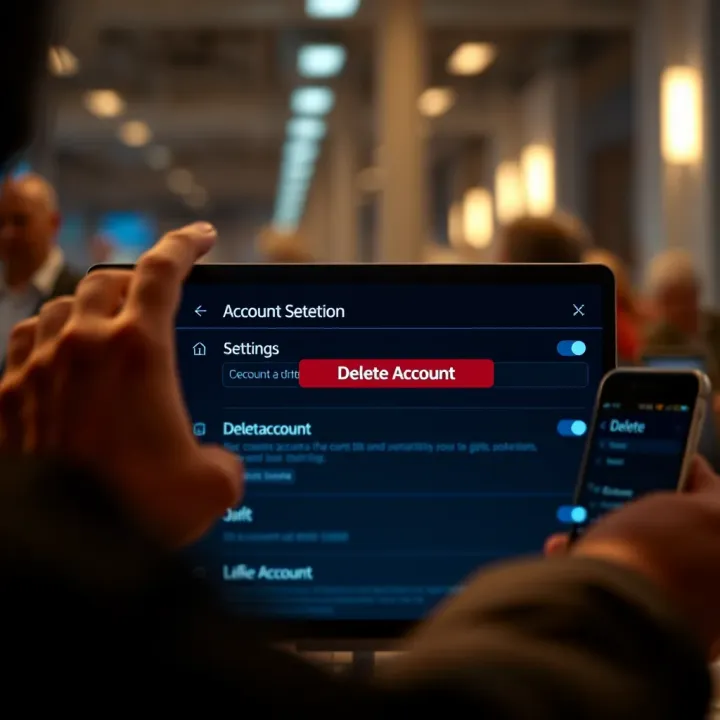
Como Excluir Sua Conta na IQ Option de Forma Simples
📉 Quer saber como excluir sua conta na IQ Option? Veja o passo a passo detalhado, cuidados importantes e como garantir a remoção segura dos seus dados.
Por
Renato Silva
Editado por
Renato Silva
The IQ Option simulator gives traders a chance to practice trading without risking real money. It mirrors the actual trading platform but uses virtual funds, so you can test strategies, make mistakes, and learn without financial pressure.
Using the simulator is straightforward. After creating an IQ Option account, you simply switch to "Demo Account" mode. This mode provides $10,000 in virtual money so you can place trades just like in a live setting.

One key feature is the real-time market data it uses. That means the prices and charts reflect actual market movements. By practicing under these conditions, your decisions and timing get sharper. For example, if you’re testing a scalping strategy on currency pairs like EUR/USD, the simulator replicates the real fluctuations precisely.
While the simulator is a powerful tool, it has limitations. It doesn’t capture the emotional element of live trading—there’s no real financial risk, so your reactions might differ when real money is on the line. Also, occasionally, the execution speed in the simulator might be slightly faster or slower than live trades, affecting the finesse of strategy testing.
Still, the IQ Option simulator shines as a learning platform. Traders can practice options, forex, and CFDs, running through scenarios without spending a dime. It’s especially useful for newcomers to get comfortable with features like order types, stop losses, and take profits.
The bottom line: the IQ Option simulator lets you build confidence and refine techniques in a real-market environment—without risking real cash.
To get the most out of this tool, consider these tips:
Treat demo trades seriously. Record your results and analyze them as you would in live trading.
Use it to explore different asset classes available on IQ Option (like stocks, crypto, or commodities).
Practice timing entry and exit points under varying market conditions.
Avoid assuming success in the simulator guarantees live trading profits; emotional discipline is just as important.
By consistently using the IQ Option simulator, traders can improve skills, reduce avoidable mistakes, and develop a well-rounded understanding before moving to real accounts. It’s not just a practice ground—it’s a step toward smarter, more confident trading.
The IQ Option simulator is a virtual trading platform designed to help traders practice trading strategies without risking real money. It provides a hands-on experience that mimics the live market, so you can get comfortable with the tools and markets before committing capital. This practical approach is especially valuable for new traders learning the ropes or experienced traders wanting to test new strategies safely.
The main goal of the IQ Option simulator is to offer a risk-free environment where users can sharpen their trading skills. Imagine you're prepping for a big game: practicing in a simulated setup helps reduce costly mistakes when the real action starts. For example, if you've never traded forex or options, the simulator lets you try buying and selling these assets while tracking your results, without worrying about losing actual money.
The simulator replicates live trading by using real-time market data, so price movements and trends closely mirror what happens in the actual markets. This means when you place a trade, it's executed based on live conditions like price fluctuations and market volatility. For instance, if the price of Bitcoin suddenly jumps in the real world, you'll see that movement in the simulator too. This keeps the experience practical and realistic, letting you test how your strategies perform under real market stress.
While the IQ Option simulator does a solid job copying market actions, some key differences remain. For one, there's no emotional pressure since no real money is on the line—which can affect decision-making in live trading. Also, trade execution speed may not match live environments perfectly, and you won't experience slippage or delays common in fast markets. Plus, in the simulator, losing doesn’t sting the same way it does with actual funds, which means your psychological reactions might differ. Recognizing these gaps helps prepare you better when shifting from practice to live trading.
The bottom line is using the IQ Option simulator is a practical step for anyone wanting to trade seriously, giving a realistic feel without risking your wallet. But keep in mind, it's a tool for learning, not a perfect stand-in for the real deal.
This section sets the foundation to understand why the simulator is such a handy asset for traders. By grasping its purpose, strengths, and differences from live trading, you can better appreciate how to use it effectively in your training routine.
Getting started with the IQ Option simulator is the key first step for anyone looking to sharpen their trading skills without risking real money. This phase sets the foundation by providing you access to a realistic trading environment where you can experiment freely. Without a solid understanding of how to create an account, access the simulator, and fund your demo, the benefits of practicing safely and building confidence might not fully come through.
The sign-up process on IQ Option is straightforward. You’ll need to provide basic details like your email address and create a password, sometimes followed by a verification step via email or phone. This quick registration opens the door to the platform’s demo mode. For traders, this ease of entry means you can get hands-on practice almost immediately after signing up, saving time and cutting through any technical hassle.

Once registered, switching to demo mode is a simple toggle within the platform. Demo mode lets you trade using virtual money, mimicking the real market conditions without any financial risk. This feature is particularly useful if you want to try out different strategies or instruments before committing real cash. For example, you might want to practice options trading first and then switch to forex—all without ever leaving your account or risking actual funds.
Navigating the user interface in IQ Option’s simulator is designed to be intuitive. The dashboard lays out key elements like asset selection, charting tools, and order execution clearly. Even if you’re new to digital trading platforms, you’ll find it easy to locate your favorite instruments or switch chart views. A smooth, user-friendly interface means less time figuring out how to trade and more time actually practicing.
The simulator provides an initial virtual balance, often around $10,000, allowing you to begin trading right away. This virtual pot is essential because it gives you a realistic amount to test trading strategies, manage risks, and experience how quickly gains or losses can occur. For instance, if you’re testing rapid trades in cryptocurrency, having ample demo funds allows experimentation with varying position sizes without hitting zero quickly.
When your demo balance runs low, IQ Option lets you reset it to the original amount with just a click. Resetting demo funds is crucial to keep practicing with fresh capital once you exhaust your virtual balance. This feature removes the frustration some traders face when hitting a dead end during practice sessions, allowing you to restart and refine your approach until you feel ready for live trading.
Starting right with the IQ Option simulator gives you a no-stress space where mistakes are lessons, not costly errors. Taking the time to understand account setup, demo funds, and navigation helps you build a strong trading foundation.
Whether you're a trader looking to gain confidence or an investor testing new strategies, mastering these steps makes your practice sessions much more productive.
The IQ Option simulator packs a variety of features and tools that mirror the real trading environment closely. This variety isn’t just for show—it’s what allows traders, whether newbies or seasoned pros, to sharpen their skills and test strategies without risking actual cash. The tools inside help users get a feel for real markets, understand trading mechanics better, and prepare for live trading scenarios.
IQ Option offers access to a broad selection of trading instruments, including options, forex, cryptocurrencies, and stocks. This diversity means traders can practice multiple strategies across different markets right from the same platform. For example, a trader can experiment with forex pairs like EUR/USD while also dabbling in stock options or bitcoin trading, which offers practical experience across asset classes.
The simulator reflects real market conditions for these instruments, updating prices and market trends almost in real time. This dynamic environment helps traders understand how price movements unfold and react to news or market events. So, practicing on cryptocurrencies during volatile periods or forex during high-impact news releases becomes possible, giving users a realistic taste of live trading pressures.
One standout feature of the IQ Option simulator is its suite of technical indicators. These include popular tools such as moving averages, Bollinger Bands, and RSI (Relative Strength Index). Traders rely on these to analyze trends, spot opportunities, and time their trades effectively. Integrating these indicators directly into the demo platform allows users to develop and backtest their methods with real-like feedback.
Order types and their execution within the simulator also align closely with what traders encounter in live trading. Whether setting a market order or stop-loss, the simulator executes these promptly, showing possible slippage or order delay effects. This helps users learn not just strategy but also execution nuances that impact trading outcomes.
Risk management tools are another key part of the simulator’s offering. Features like stop-loss and take-profit settings allow traders to practice protecting capital and locking in gains. For example, by setting stop-loss orders on a forex trade, users can simulate cutting losses quickly and controlling risk. This hands-on experience with risk controls is invaluable for developing discipline and protecting real funds once entering live markets.
The bottom line is that the IQ Option simulator combines a realistic set of instruments, tools, and risk management options that help build a practical understanding of financial markets without the pressure of real money on the line.
The IQ Option simulator serves as a valuable tool for traders across the board, whether you're just starting out or have years of experience. Understanding its advantages and limitations helps you use it effectively and set realistic expectations before you move to live trading.
The main draw of the IQ Option simulator is that it lets you trade without putting real money on the line. For newcomers, this means you can get familiar with market dynamics and the platform’s functions with zero financial pressure. For example, trying out stock options or cryptocurrencies in the simulator allows you to learn how price movements affect your trades, all without worrying about losing cash.
Experienced traders find this useful too. They can test new markets or instruments, such as forex pairs they haven't traded before, without risking their portfolio. Essentially, the simulator creates a playground to build confidence and skill without the stress of real-world stakes.
The simulator is perfect for experimenting with trading strategies. Say you want to try a momentum-based approach or an options spread strategy; you can run these ideas in the demo environment and watch how they perform over days or weeks.
This testing is practical because it shows the strengths and weaknesses of your strategies in a realistic setting that mimics live trading conditions. When you spot flaws or confirm a strategy's effectiveness, you gain valuable insight, saving time and money before deploying these tactics with actual funds.
Discipline separates successful traders from those who struggle. Using the IQ Option simulator, you can establish routine trading habits, like setting stop-loss orders or sticking to daily loss limits, without the risk of emotional burnout.
For instance, practicing entering and exiting trades at planned points rather than chasing markets cultivates patience and decision-making skills. Over time, these habits become second nature, making the transition to live trading smoother and less impulsive.
One big limitation is the lack of real emotional pressure. Unlike demo accounts, live trading taps into feelings like fear, greed, and anxiety, which can heavily influence decisions.
For example, a trader might stick rigidly to a plan in a simulator but panic-sell during a real market plunge. Recognizing this gap is crucial; being aware that emotional resilience has to be built separately prepares traders for the realities of live markets.
Execution in simulators is usually instant and smooth, but real markets often involve delays, order rejections, or slippage—where orders fill at worse prices than expected.
Such differences can impact strategies that depend on precise entry or exit points, like scalping forex or fast-moving options. Understanding that simulator trades don’t reflect these hiccups helps set realistic expectations about live environment challenges.
Since losses in the simulator don’t affect your wallet, the weight of financial risk is missing. This detachment can result in riskier behavior or less disciplined trading, which won’t fly when real money is at stake.
For example, trading a large position in the demo account might feel like no big deal, but doing so with real funds requires careful consideration of risk tolerance and portfolio impact. Ultimately, the simulator’s lack of real consequences highlights the need for mental and emotional preparation beyond just practicing trades.
The bottom line is the IQ Option simulator is a powerful practice tool but doesn’t replace the full trading experience. Using it well means balancing its clear benefits with understanding its limits before stepping into the live market.
Making the most of the IQ Option simulator can seriously boost your trading skills without risking a dime. Practicing with this tool is not just about clicking buttons; it’s about approaching it with the mindset and discipline of real trading. That way, you’re better prepared when you switch to live markets.
Treat the simulator like a real account
Taking the simulator seriously means setting rules and goals just like you would with real money. For example, avoid the temptation to chase big wins or test random strategies without thought. This keeps your practice consistent and helps you develop real trading habits. Remember, the goal is to mimic the pressures and decisions you’ll face in live trades.
Track and review performance
Keeping a trading journal or notes on your simulator activity helps spot what’s working and what isn’t. Review your trades at the end of each session. Maybe you notice a pattern where you often exit too early or hold losing trades too long. These insights guide you to adjust your methods.
Gradually increase complexity
Start simple with basic trades to build confidence. Once you get the hang of it, add layers—use different instruments like forex or cryptocurrencies, experiment with advanced order types, or try trading during volatile market times. This progressive approach avoids overwhelm and prepares you for real market fluctuations.
Recognizing when to switch
You’ll know it’s time to move to live trading when your simulator results are consistently solid, and you feel confident following your trading plan without making emotional decisions. Also, consider setting a cap on demo time—too long, and you risk getting stuck without exposure to real pressure.
Managing psychological challenges
Live trading brings emotions like fear and greed into play. Unlike the simulator, losing real money stings and can cloud judgment. Prepare by practicing discipline, sticking to stop-loss limits, and starting live trades with small amounts. Handling these emotional shifts is key to long-term success.
Adjusting for real market conditions
Real markets can behave unpredictably with slippage, execution delays, or gaps that a simulator can’t fully mirror. Expect some differences and be ready to adapt. For instance, on high-impact news days, spreads widen and orders may fill differently. Understanding this gap helps avoid surprises.
The bottom line is to treat the IQ Option simulator as a stepping stone, not a destination. Use it to build solid foundations, then take what you learn confidently into the real trading arena.
📉 Quer saber como excluir sua conta na IQ Option? Veja o passo a passo detalhado, cuidados importantes e como garantir a remoção segura dos seus dados.

🔍 Quer saber se a IQ Option é confiável para investir? Analisamos regulamentação, segurança, depoimentos e riscos para você operar com mais segurança!
📊 Descubra se vale a pena investir na IQ Option! Avaliamos reputação, recursos e riscos da plataforma para decisões financeiras seguras e informadas.

📊 Explore um guia completo da plataforma IQ Option: funcionamento, recursos, ativos, dicas de operação e riscos para investidores conscientes no Brasil.
Baseado em 12 avaliações